

#4.5.1.1.2.1 – All right. As you were able to engaged the automat…
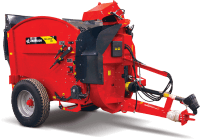
All right. As you were able to engaged the automatic loading mode previously, the error is probably not related to the squeezer itself.
If you were loading a bale, and the arm stoped above the loading table and then the error showed up, there is only 2 potential reasons for this:
1- Your loading arm angle sensor is not calibrated. Therefore the loading arm is trying to reach (for example) 90 degrees position, but the sensor returns 88 degree value so you can’t continue to the next step. Refer to protocol A-STA-015 to learn how to do the loading arm calibration.
2- If after calibrating your loading arm the issue remains, then there is one last reason for this. The sensor which detects the bale presence over the loading platform (Sensor LS_BA_SL) is either defective or out of adjustment AND the loading arm picked the bale up too low, so when it flips it upside down over the loading table, the bale touches the loading platform, and because the bale presence sensor is defective, it will not release the bale, and the fact the bale is already touching the loading platform, the loading arm cannot reach is final angle position in order to go to the next step, which is releasing the bale and lowering the arm down again.
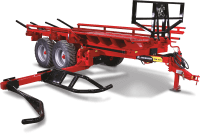
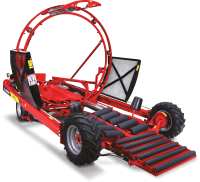
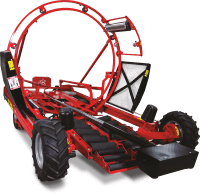
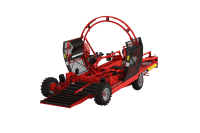
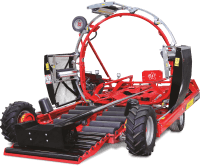
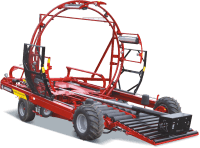
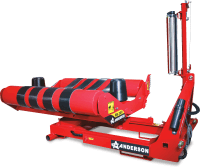
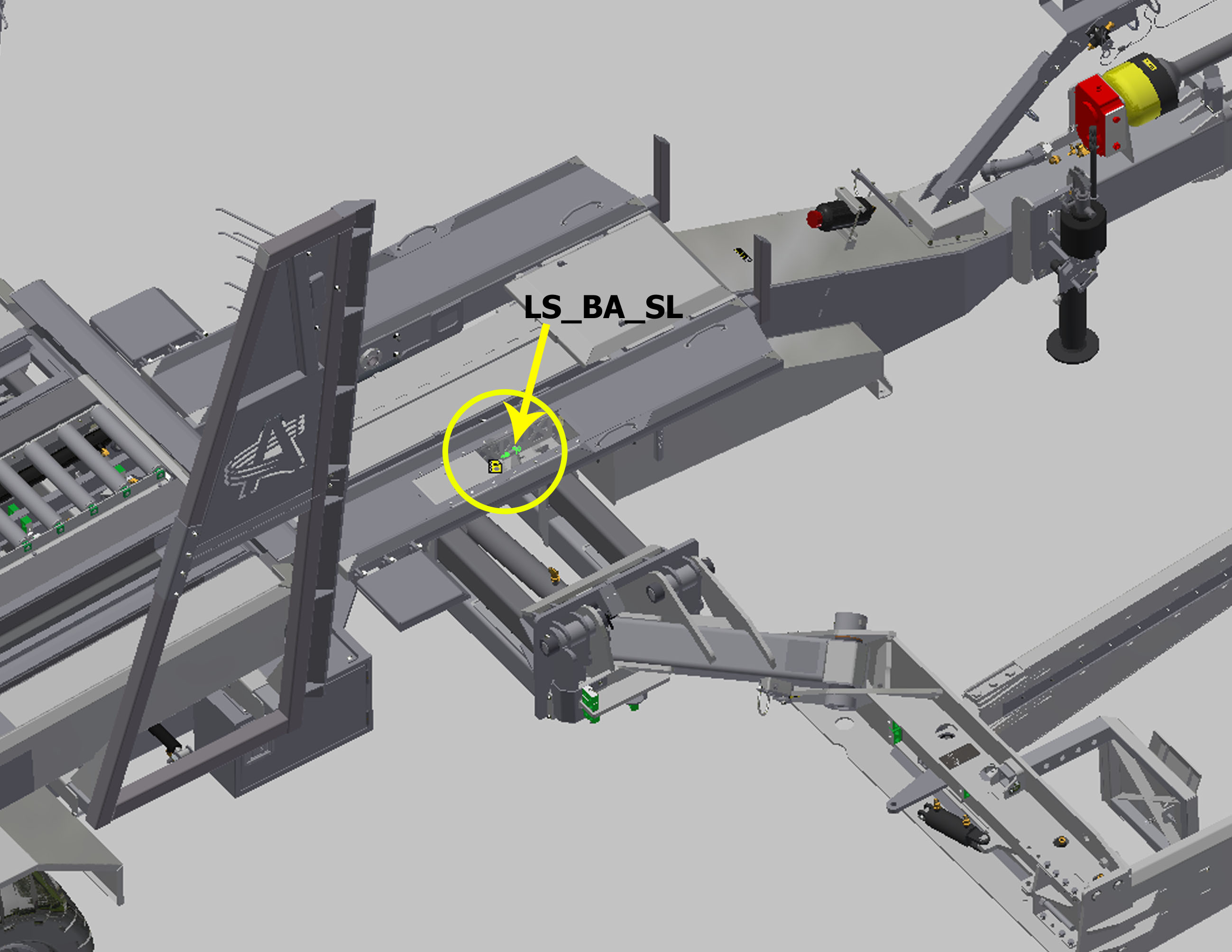
3- Inspect sensor LS_BA_SL. Click on picture below to locate the sensor.
Refer to protocol A-STA-007 to learn how to ensure the good working condition of your sensor.
4- Adjust the loading arm height above the ground to match with the current size of your bales.
All right. As you were able to engaged the automatic loading mode previously, the error is probably not related to the squeezer itself.
If you were loading a bale, and the arm stoped above the loading table and then the error showed up, there is only 2 potential reasons for this:
1- Your loading arm angle sensor is not calibrated. Therefore the loading arm is trying to reach (for example) 90 degrees position, but the sensor returns 88 degree value so you can’t continue to the next step. Refer to protocol A-STA-015 to learn how to do the loading arm calibration.
2- If after calibrating your loading arm the issue remains, then there is one last reason for this. The sensor which detects the bale presence over the loading platform (Sensor LS_BA_SL) is either defective or out of adjustment AND the loading arm picked the bale up too low, so when it flips it upside down over the loading table, the bale touches the loading platform, and because the bale presence sensor is defective, it will not release the bale, and the fact the bale is already touching the loading platform, the loading arm cannot reach is final angle position in order to go to the next step, which is releasing the bale and lowering the arm down again.
3- Inspect sensor LS_BA_SL. Click on picture below to locate the sensor.
Refer to protocol A-STA-007 to learn how to ensure the good working condition of your sensor.
4- Adjust the loading arm height above the ground to match with the current size of your bales.